
How to recognize Gold: a complete guide for Gold Shop

Every piece of jewelry that enters a Gold Buying shop carries a story — and the need for an accurate evaluation. Telling the difference between solid gold and a well‑made plating is essential to protect your business and ensure full transparency for the customers who rely on your expertise.
The first step is always the inspection of the hallmark. Those small engraved numbers — 750, 585, 375 — indicate the karatage and therefore the percentage of pure gold contained in the item. For a trained eye, reading and interpreting these marks becomes almost automatic, but it’s important to remember that counterfeit hallmarks do exist. A magnifying glass or microscope can reveal details that would otherwise go unnoticed.
After checking the hallmark, several quick tests can provide additional clues. Gold is not magnetic, so a simple magnet can already offer a preliminary indication. Weight is another important factor: gold has a much higher density than common metals, and an authentic piece immediately conveys a sense of compactness and solidity. An experienced operator can also recognize the distinctive shine of real gold — a warm, uniform brightness that is difficult to replicate with plating.
When you need to go beyond basic checks, chemical tests come into play. Nitric acid is a classic tool: gold does not react, while imitations oxidize or change color. In more advanced laboratories, XRF spectrometry provides a detailed analysis of the metal’s composition in just a few seconds, eliminating any uncertainty.
For a Gold Buying shop, the real difference lies in the approach: not relying on a single method, but combining observation, experience, and professional instruments. This integrated process ensures a reliable and well‑documented evaluation for both the operator and the customer. Each analysis should ideally be accompanied by a technical report or a photograph, because transparency is an essential part of the service.
In conclusion, recognizing gold is not just a technical action — it is a professional responsibility. It means protecting the value of the jewelry, safeguarding the customer, and strengthening the reputation of your business. Knowledge, proper tools, and attention to detail are the essential allies of every professional who aims to stand out for reliability and competence.
If you want to learn how to protect your business with Banco Villa’s benchtop XRF solutions, fill out the form and our experts will get in touch with you.
Related posts

The boundary no XRF
had ever crossed
On June 9th, we will reveal the product that will redefine the future of analysis.
Read more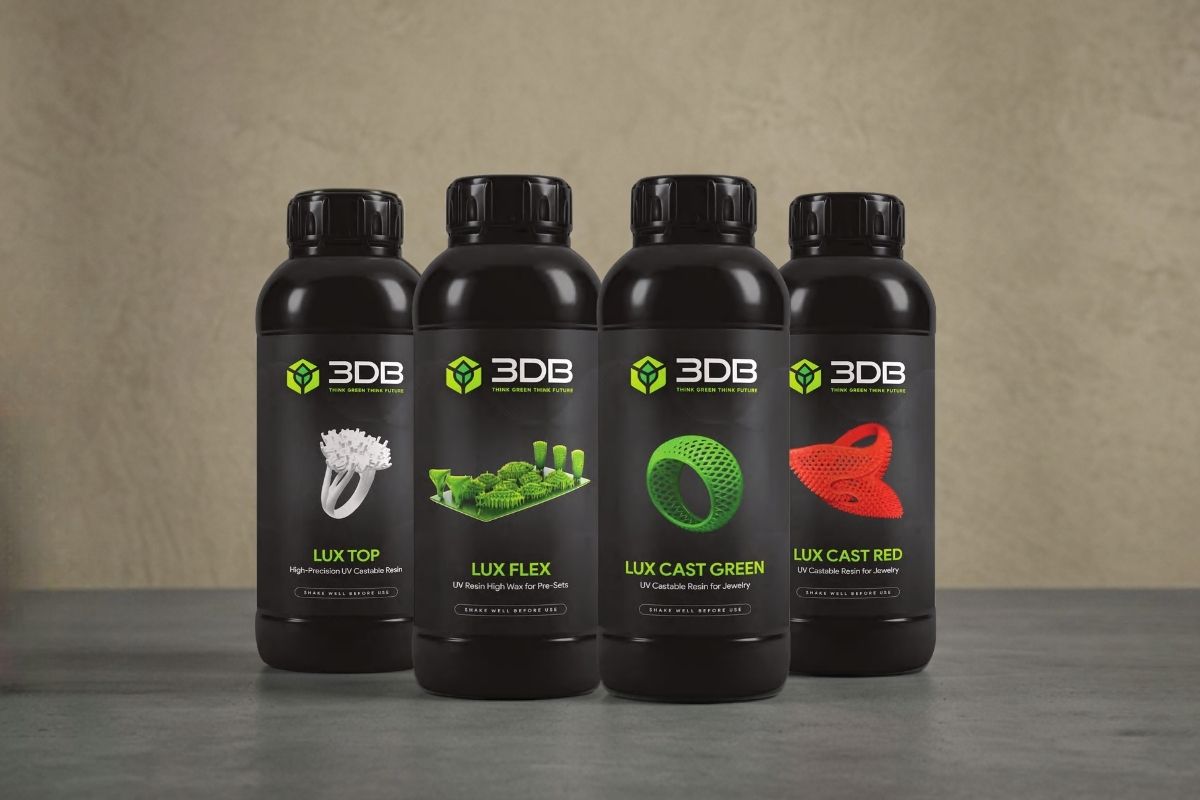
Three colours, three performances: Banco Villa’s professional resins for high‑precision 3D printing
Discover Banco Villa’s UV resins for jewellery: high definition, up to 90% wax content and flawless results from printing to casting!
Read more