
Gold purity measurement: tricks, tips and infallible methods to recognise it
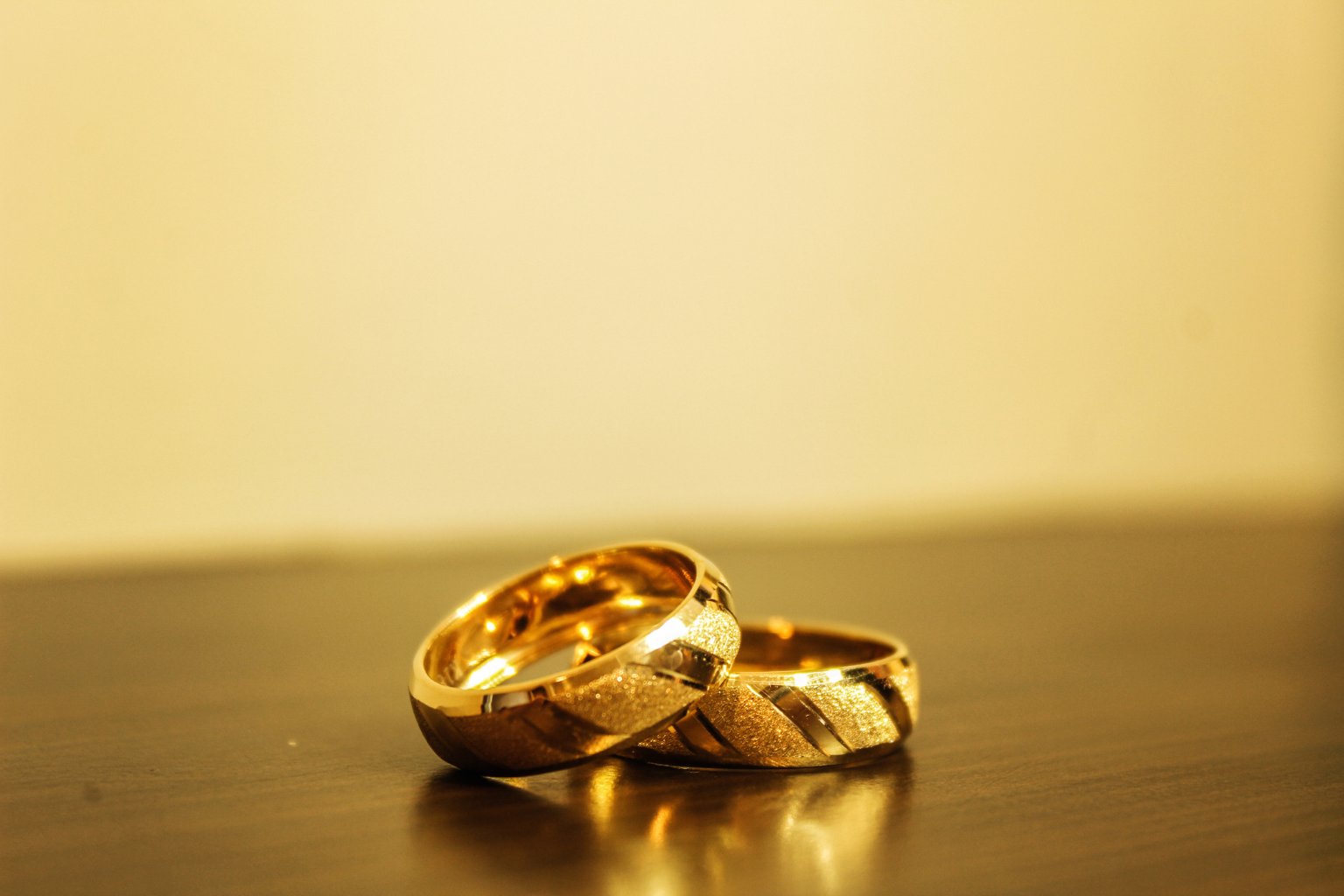
You have found an old forgotten jewel or received a ring that looks precious... but are you sure it is really gold?
In a world where aesthetics can easily deceive, recognising the authenticity of gold is paramount. Fortunately, there are simple and accessible methods to remove any doubt, and when necessary, we at Banco Villa are here to support you with the utmost precision and transparency.
How to tell if a piece of jewellery is made of real gold
The first clue to look for is the punching, or a small mark engraved on the surface of the jewel that indicates, in thousandths, the amount of pure gold contained in the object. For example, a punch with "750" means that 75% of the object is made of pure gold, i.e. 18 karats out of a maximum of 24.
This sign is often very small and invisible to the naked eye, so you'll need a magnifying glass or jewellery monocle to spot it.
If you do not find any punching, there could be two reasons: the jewel is fake or it is very old or from a country where this type of marking is not mandatory (in Italy, however, it is by law).
Karats: what do they really mean?
The gold purity measurement unit indicates the quantity of gold present in an object.
- 24 karats or 999 Gold = 100% pure gold
- 18 karats or 750 Gold = 75% gold
- 14 karats or 585 Gold = 58.5% gold
- 9 karats or 375 Gold = 37.5% gold
The other metals present are used to create the alloy and change its colour. For example, the famous rose gold is obtained by combining pure gold with copper, which gives it the typical warm shade.
Home-made methods for testing gold
A very useful trick is that of the magnet. Gold, as well as silver, platinum and palladium, is not magnetic. If your jewel is attracted to a magnet, it is likely to contain non-noble materials, or worse, not be gold at all. In that case, it's time to move on to more in-depth analyses.
Another useful check is to look for a manufacturer's stamp next to the karat punch. This mark usually bears a city code and an identification number. It is a further guarantee of authenticity.
Finally, the specific density of gold can be a further clue: gold is a heavy metal and each gold purity measurement has a very precise density value. There are reference tables that allow, with the right instruments, to estimate the purity of the metal based on weight.
Do you want to be 100% sure?
The most reliable way to know for sure if a piece of jewellery is gold (and its corresponding fineness) is to contact a professional analysis laboratory.
At Banco Villa, we offer you our experience and an in-house laboratory equipped with the latest generation XRF analysers to accurately determine the composition of the alloys and the actual amount of precious metal.
Do you have a jewel to check?
Come and visit us or book an appointment from our website. If you have any questions, please let us know and our team will be happy to answer them.
Related posts

The boundary no XRF
had ever crossed
On June 9th, we will reveal the product that will redefine the future of analysis.
Read more
Three colours, three performances: Banco Villa’s professional resins for high‑precision 3D printing
Discover Banco Villa’s UV resins for jewellery: high definition, up to 90% wax content and flawless results from printing to casting!
Read more